Feeds:
Posts
Comments

This advice provided by PURE to their member policyholders: 

The polar vortex caused record-breaking low temperatures this week throughout much of the U.S. With warmer temperatures this weekend, pipes that had become frozen and/or cracked will begin to thaw and could burst.  Without proper attention, damaged and melted pipes could channel unwanted water into your home.

If you suspect you have a frozen pipe, call a plumber immediately or follow these tips to help thaw the pipe on your own:

  • Pipes that are most likely to freeze are those located in exterior walls or where your water enters your home through its foundation.
  • Turn the faucet(s) on halfway to begin. As you treat the frozen pipe, the ice will begin to melt and you will notice water flowing more freely from the faucet. Once water is flowing, open the faucet all the way. This steady approach will help to prevent water from gushing.
  • Apply heat to the frozen section of the pipe by wrapping it with a heating pad, or using a hair dryer or portable space heater on it. Apply the heat until full water pressure is restored. (Never leave portable heating sources unattended.)
  • If you are unable to locate the frozen area of the pipe, if the frozen area is not accessible, or if you cannot thaw the pipe, call a licensed plumber immediately.
  • Check all other faucets in your home to identify others that may have frozen. If one pipe freezes, it’s likely others may have as well.

li-hurricaneHuntington Town Supervisor Frank Petrone is asking residents to take an online survey to help local and county officials re-examine their plans for dealing with natural disasters. The intent is to work with other nearby communities and Suffolk County to develop strategies to reduce losses caused by natural disasters.

I’ve taken the 21-question survey, and was generally impressed by how well it was constructed. The survey is designed to gauge how well informed county residents are about the natural hazards we face living on Eastern Long Island. It also asks for input on perceived areas of vulnerability. Petrone says survey results will help officials better determine what measures to take.  Even reviewing the questions asked can be eye-opening.

To take the survey: http://www.surveymonkey.com/s/V3RLXZ5


It is well documented that residential fires increase each year during the Holiday Season. I have had two different friends who lost their homes to fire on Christmas day.. Candles are a big culprit, as well as Christmas tree lights. This was never an issue in the O’Brien household growing up —- my father was adamant our tree lights could only be “on” for a few short hours.

With advances in modern technology, wouldn’t you think the risk of Christmas tree lights causing house fires was in the past?  Well, enter the Twinkling Pine artificial tree sold under the brand name Enchanted Forest.  Care to guess where it was manufactured and imported from?

For news of the recall of 1,800 pre lit artificial trees: http://www.claimsjournal.com/news/midwest/2013/12/19/241839.htm

teen driverI recently read yet another article by a main stream journalist that promised readers “weird new steps” to lower the cost of auto insurance for those with teenage drivers.  If you have a teenage driver, this topic can sure stimulate interest!

As a parent and insurance insider who has experienced the financial pain associated with 3 teenage drivers, it is my strong view that articles advocating how to lower insurance premiums miss the two FAR far more important objectives that parents of teenage drivers should be encouraged to make their first priorities:

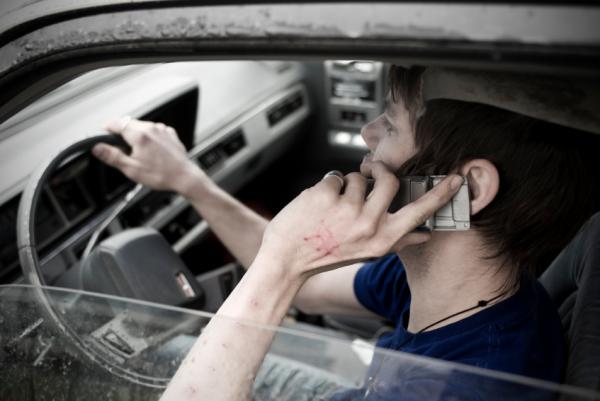
1.      Accident PreventionNationally among all age groups, statistics reveal cell phone distractions are a factor in 25% of all accidents. Imagine what this risk is for younger drivers! While cellular technology adds new risks, other technology exists to help parents manage this risk.  Cellcontrol is one service provider offering a solution that prevents unauthorized in-motion use of mobile phones. Their solution puts parents in control of what a family member can or cannot do with their cell phone while driving. (the same solution is available for those responsible for corporate fleets) To learn more: http://www.cellcontrol.com/stop-texting-while-driving-for-your-family/  

2.      Protect Your Assets: ASK ANY parent of a teenager who has been involved in a serious accident: after the accident: NO parent is concerned with the cost of their insurance, but ALL were concerned with the insurance protection that was available to protect them at the time of the accident.  After an accident is the wrong time to recall the dangers of being “penny wise, but pound foolish”.

Please: address these two more important objectives first, and THEN work with an insurance professional to examine strategies to intelligently manage the cost of proper insurance coverage.

Love insuranceThese three words exclaim a bold new marketing theme for PURE High Net Worth Insurance.  They depict PURE’s deep organizational commitment to deliver insurance not as a commodity, but as an invaluable service to their member policyholders.  The words also dare to redefine the expectations consumers should have of their insurance company.  Finally, this bold theme also helps to remind the employees and Independent Agents serving those insured by PURE that the mission is to constantly strive to exceed the highest expectations.

Imagine ….. loving your insurance!  To review PURE’s bold new objective, check this link: https://www.pureinsurance.com/campaign/index  If you are not aware of who PURE is and how they are different from other carriers, I’d be happy to offer you an impartial assessment.

News reports on the effects of the flood insurance reforms being implemented have overly focused on those who are experiencing extremely high increases in their flood insurance premiums. Meanwhile, be aware the implementation of the BW12 Reforms will take place over many years, and knowing for certain the final cost impact and just how many will be effected is not yet fully understood. 

For a complete perspective on how tangled this web really is, we offer this insightful report from Insurance Journal http://www.insurancejournal.com/blogs/right-street/2013/11/04/310235.htm

The beginning or end of daylight savings time each year marks a real rise in the risk of DWD —- Driving While Drowsy. With the end of daylight savings time arriving this weekend, it will be extra important to “watch out for the other guy“ while on the road in the weeks ahead.  He / she may be half asleep…..

How big a risk is Driving While Drowsy? According to the National Highway Traffic Safety Administration, driver fatigue is considered a factor in more than 100,000 crashes, approximately 1,500 deaths, 71,000 injuries and amounts to $12.5 billion in losses each year.  Big enough?

Many who would never drive while intoxicated have admitted to driving while drowsy. I regret that I have “nodded off” while driving overly tired a few times. After one particularly close call (thank heaven for rumble strips) I now take precautions to eliminate this risk.

Following is a link to a great article that may benefit someone you know who needs to be reminded of the dangers of DWD. Why not forward this to someone you know: http://www.claimsjournal.com/news/national/2013/10/30/239152.htm

The Biggert Waters Flood Reform Act of 2012 has created a harsh new normal for those requiring flood insurance in high risk flood zones. Beginning this past Oct. 1, flood insurance premiums for more than 1 million homeowners are increasing in compliance with legislation passed by the U.S. Congress last year to remedy the massive deficits plaguing the National Flood Insurance Program administered by FEMA.

As a result, the re-sale prices for many homes located in high risk flood zones around the country are declining as potential buyers balk at the new, considerably higher flood insurance premiums. The impact has been especially challenging for those connected to the real estate industry, as many buyers and seller have been caught by surprise, as documented by this story:  http://www.insurancejournal.com/news/national/2013/10/24/309110.htm

To learn more about the Biggert Waters Flood Reform Act of 2012, check these FAQ’s provided by this link:  http://hamptonsfloodprotection.com/2013/08/20/faqs-on-bw12-the-new-flood-reform-act/ or call me for more information.

As an insurance advisor who strives to help consumers make well informed decisions to intelligently manage their many risks, properly framing such risks is a real challenge. I avoid the tone of scare-monger, while also reminding others that just because a risk has not personally impacted them does not mean it might not in the future. While the axiom “stuff happens” is proven correct daily, bad stuff usually happens to others. Usually.

Buying insurance to indemnify us from a possible future loss is just one strategy to consider in managing the risks we face. Employing other risk management strategies to minimize our vulnerabilities to certain risks is another approach worth considering. Meanwhile, there is one common de-facto “strategy” that consumers should NOT embrace. In alarming numbers, many consumers kid themselves that a wide range of risks simply will not occur, and have no real plan in place for a wide range of unlikely yet still possible disasters. After every natural disaster, we see the plight of the large numbers who have embraced this “can’t happen to me” belief. Choosing to NOT be prepared can be a terrible decision.

For any you know who could benefit from a dose of reality to better understand the risks of living near the coast – specifically Eastern Long Island – I highly recommend this eye opening article by noted journalist T. J. Clemente: http://easthampton.patch.com/groups/tj-clementes-blog/p/will-town-save-montauk-from-the-next-hurricane?a_dgi=aolshare_email

I hear this question often from those who doubt a flood can damage their home.  As a risk advisor, I understand that for many, the answer is the likelihood of experiencing a flood is low.

For those who want to play the odds, this is my best advice:  insurance is best used to protect against those risks where the impact of a loss would be severe, and not just likely.   MANY have regretted their decision to self-insure against potentially devastating losses simply because the “odds” were perceived as low.  For risks that are unlikely, the cost to insure is often quite low.

What were the odds? Imagine you live in Vermont. What are the odds a hurricane will cause flood waters to enter your home?  In a town where no one had seen any flood damage since 1927?

Check this video: http://www.floodsmart.gov/floodsmart/pages/videos/video_index.jsp