
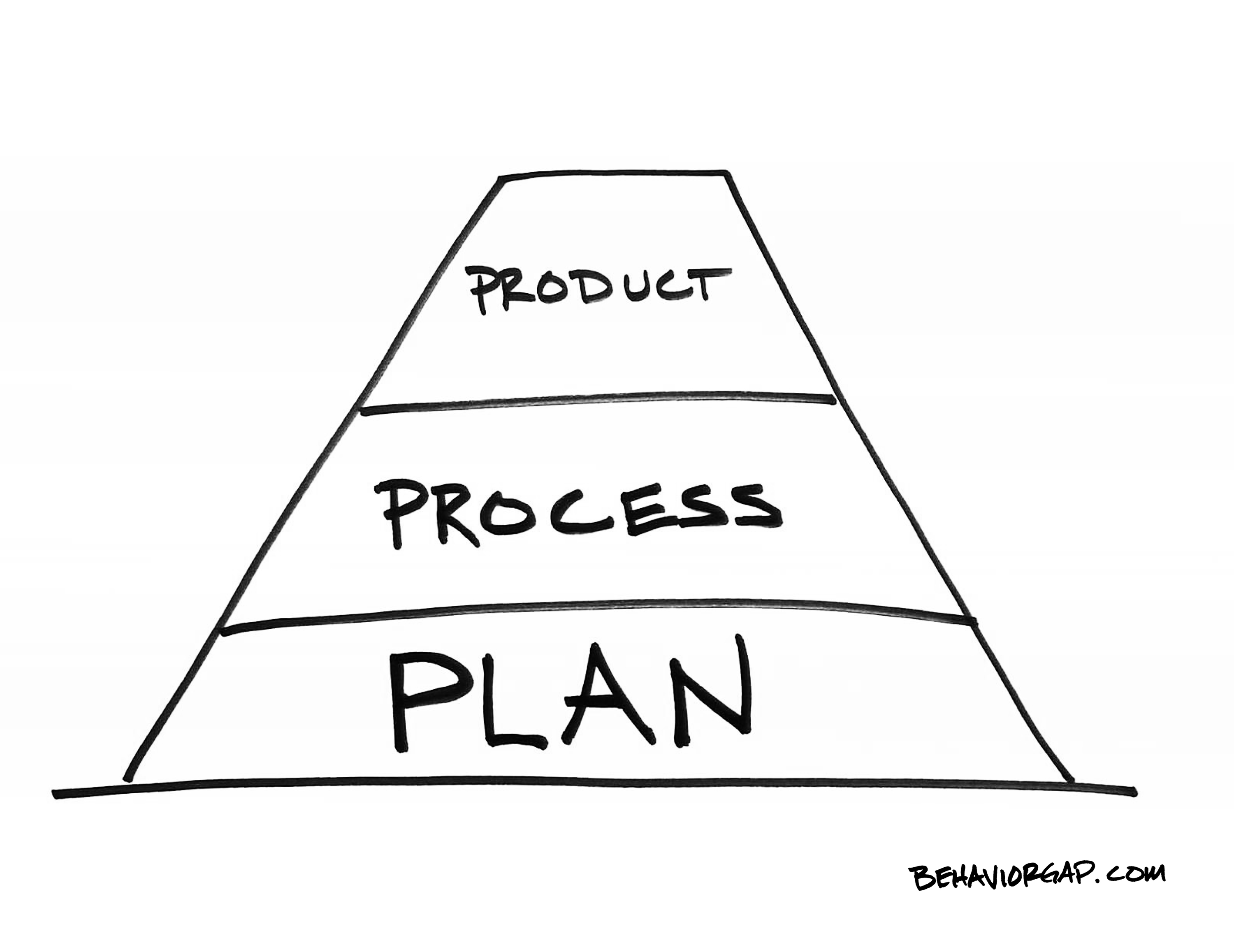
 Perhaps 95% of the consumers and professional advisors I meet with attempt to focus their discussion simply on the insurance policies they own. Ours is a product focused culture, and our buying decisions are guided by products receiving 5 star reviews, Consumer’s Digest Best Buy recommendations, and / or finding a “good deal”. The power of product advertising has robbed us of the ability to ask ourselves the larger questions. Questions like “Why am I buying this product?”
Why buy insurance for your home? Why buy insurance for your car? When I ask these questions of my clients, I often receive an expression suggesting puzzlement, annoyance, or both. To ease both emotions, I ask if the reason is to replace what they own in the event it were damaged or destroyed. “Of course!” is the most common answer.
Since the real reason to buy insurance is to replace what we own, why is “Save Money Now” the central theme in most insurance company advertising campaigns? Because advertisers have reminded insurance carriers that consumers respond best to “save money” offers. To gain market share, they focus their ads on product, making save money the product. Do consumers ever ask how the savings are being achieved? Insurance carrier benevolence??? These campaigns are effective, and despite the “savings” provided to some consumers, these carriers earn a profit, content to sell products that often do not provide the desired protection. All because no one ever asked “Why”.
Carl Richards, Contributor at New York Times Bucks Blog and the author of Behavior Gap, reminds us that in the financial services industry, consumer focus on product is exploited by those who are paid to sell product. Richards is well known for using illustrations that lend clarity to issues that many journalists do not understand. While the lesson of the illustration above is aimed at investors, it is just as relevant to those seeking the right way to protect their homes, cars and other assets from unforeseen loss. Richards explains: “Most of us are trained to think ‘What’ first, because it’s what you hear about all day long. It’s the message you read in financial publications and see on CNBC. But ‘What’ questions should come after we think about ‘Why’ and ‘How’ ….Starting with ‘Why’ means achieving clarity about your personal financial goals and creating a plan.” Thank you, Carl Richards, for reminding us that before we focus on the ‘what’ product solutions, we first need to start with asking ourselves the larger ‘Why’ questions.
For more about Carl Richards work: http://www.behaviorgap.com/



2 Responses
There is a reason why they say “You get what you pay for!” Save $x dollars in 15 minutes = translation= We are going to strip your policy down so that the coverages you will need for you and your family won’t be there when you need it and file your claim. That savings doesn’t feel so good anymore….
No doubt; the allure of save money NOW prevents many savvy consumers from considering how modest annual savings can cost significantly after a claim for which coverage is either skimpy or not available.